Category: Preparation

Notes on Gear, Rituals, and Planning

Preparing for a 1,200km pilgrimage is a journey in itself, filled with careful thought and trial and error. This section is a record of the practical steps I took and the lessons I learned before and during my time on the trail—from the logistics of budgeting and rituals at the temples to the unique tradition of Osettai (hospitality).

Rather than an all-encompassing manual, these articles are a reflection of my personal process of finding what was truly essential. Whether you are looking for hints on gear and timing for your own walk, or simply want to understand the practical reality of life on the road, I hope these notes offer a helpful starting point as you prepare your own heart and gear for the Shikoku path.

thmiyake

How to visit 88 temples ?

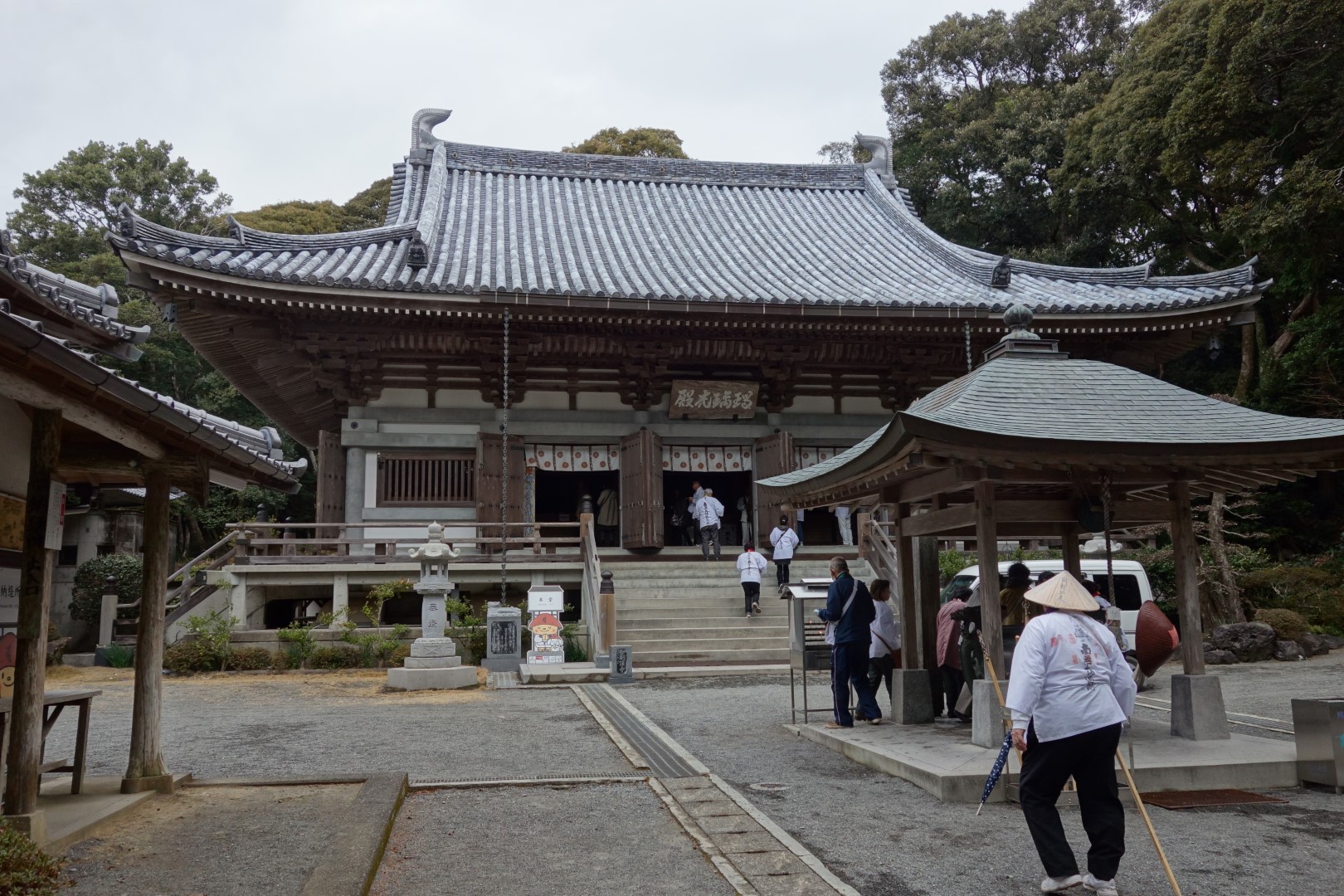
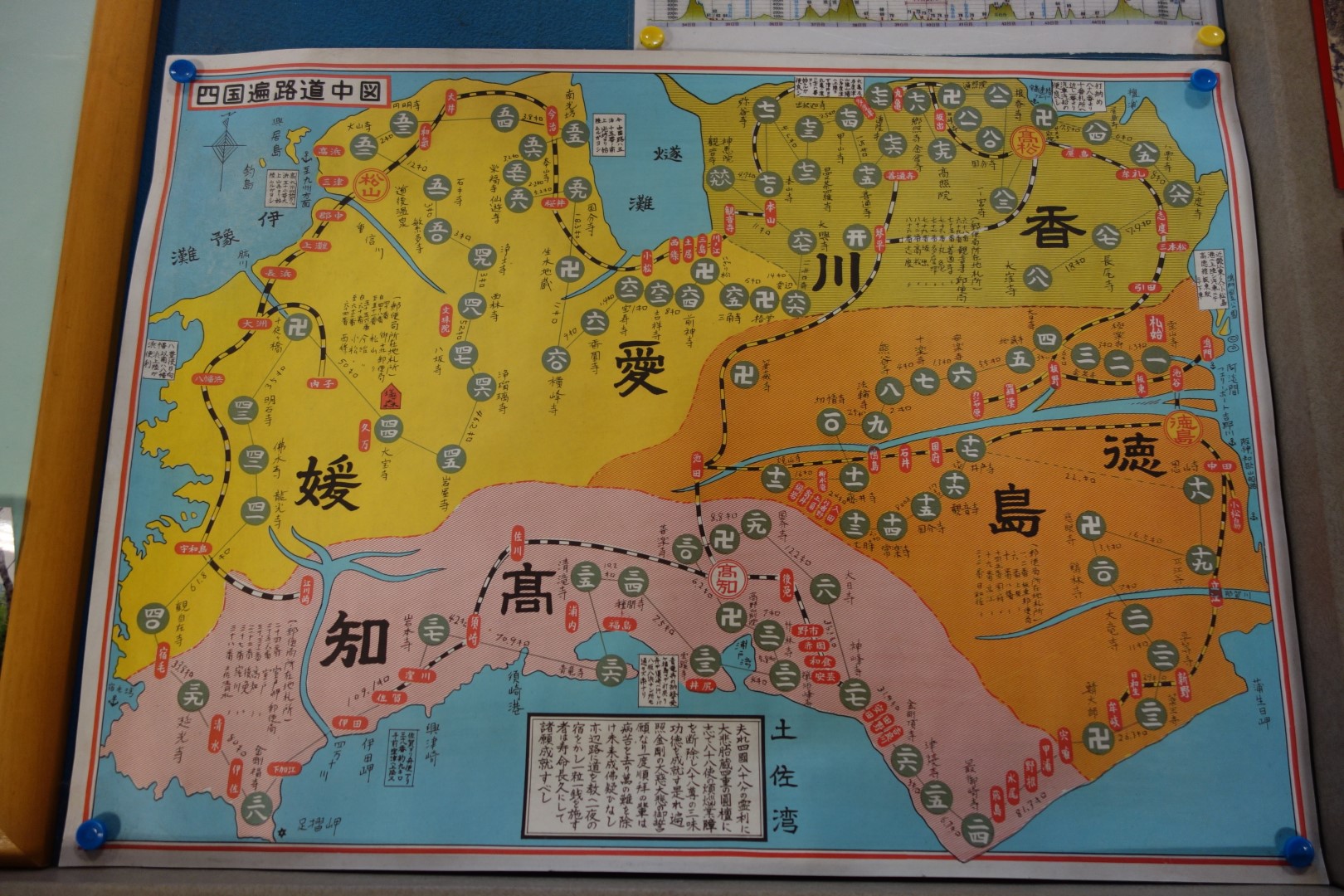
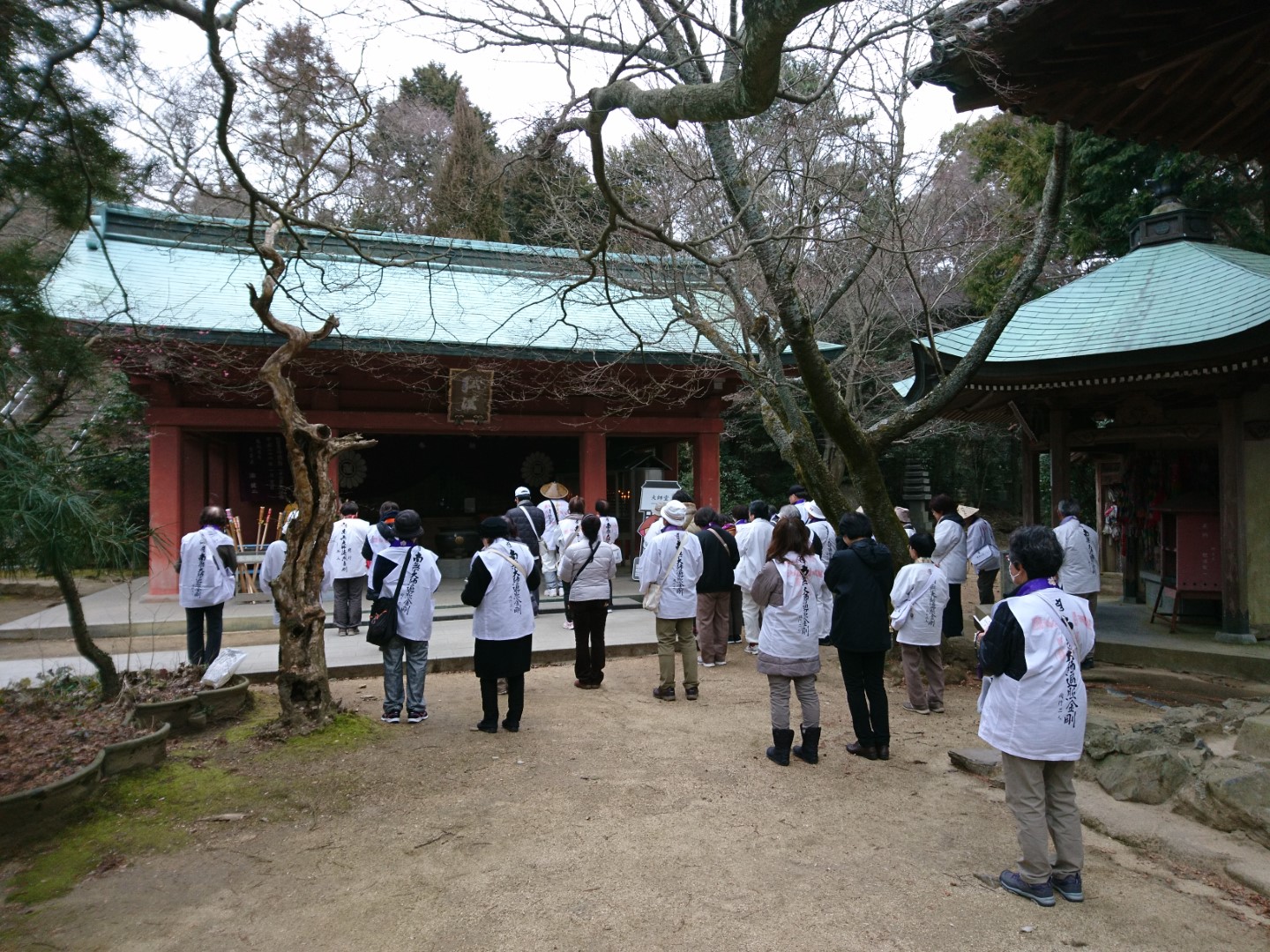
There’re 88 temples that you’ll visit. Majority of them are located along the coast line of Shikoku island, and each of them have its own number. Visiting each temple is called “Utsu” (“Strike” in English). Long time ago, people “strike” the wooden votive card to the column of the temple when visiting the temple, and …
thmiyake

Outfit, what to bring

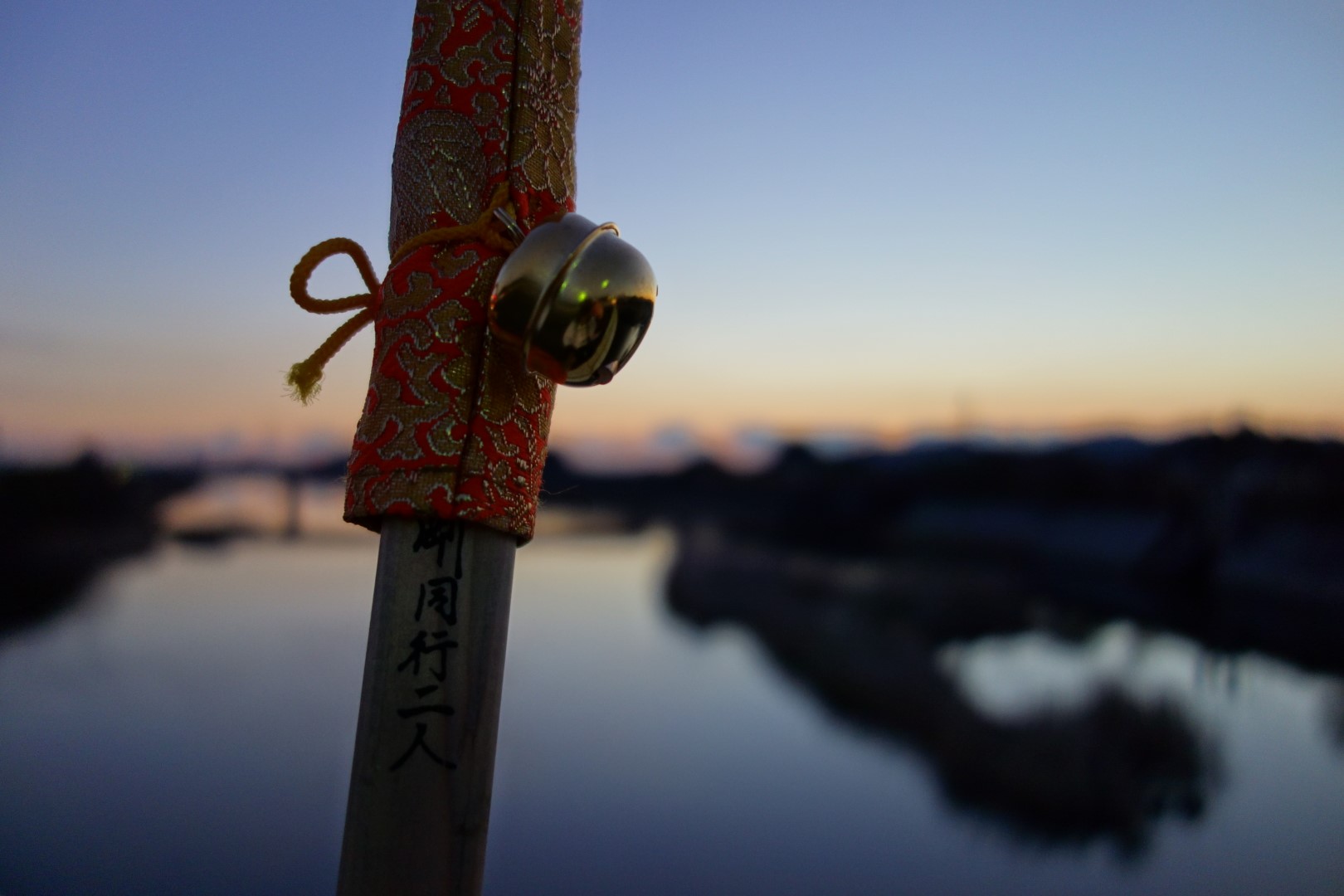
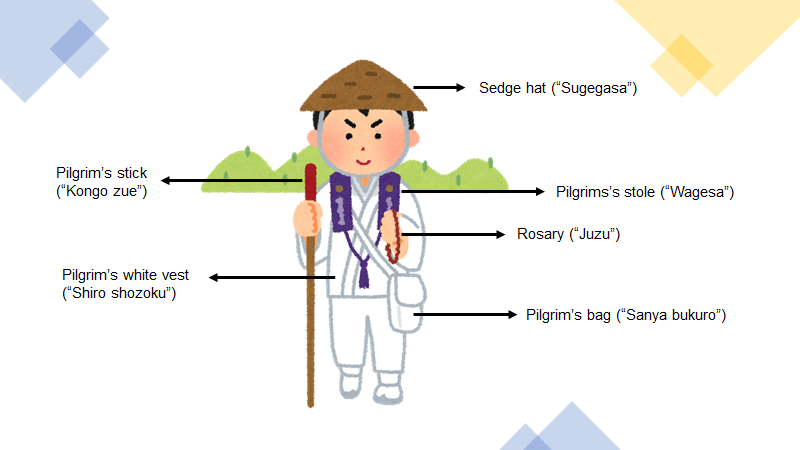
Formal Ohenro-san looks like this. But during my Shikoku Henro pilgrimage, I saw many different arrangement (or even some Ohenro-san didn’t have any of those at all), and I believe that’s pretty OK. I think each one of outfit items have some specific meaning, but let me comment from my experience. There’re some shops in …

thmiyake

Do you need to be Buddhist ?

You may think that you need to be Buddhist to do Shikoku Henro Pilgrimage, but the answer is no (Not sure if there’s official answer though :)). Indeed, many people becomes “Ohenro-san” (Shikoku pilgrims) because of different reasons such as below. Praying for their and their family’s safe life Maintaining their health Sightseeing Collecting temple …

thmiyake

Budget

Of course, the budget would differ so much based on the way you plan to do Shikoku Henro Pilgrimage. However, it’s quite obvious that the largest part of the budget will be accommodation fee. So if you plan to do the Pilgrimage in nice season with solo-camping capability, then you may reduce the total cost …

thmiyake

Accommodation

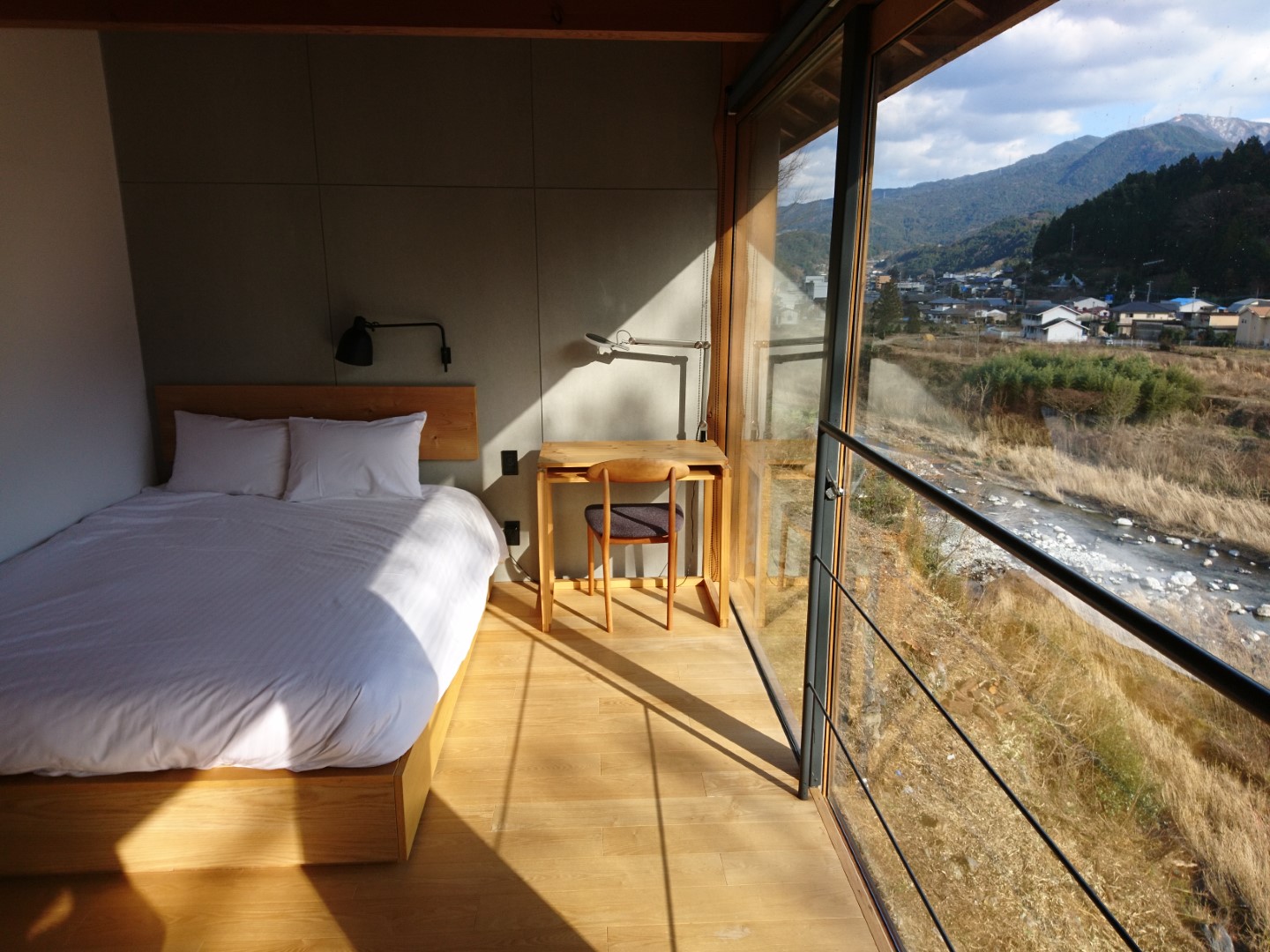
Along the Shikoku Henro Pilgrimage trail, different types of accommodations are available. I usually used guest house or economy hotel. I preferred guest house, because I could hear some interesting and useful topics from the host or other pilgrims at dinner time. Also they usually provide local nice food as homemade style. Some temples provide …

thmiyake

What about public restroom ?

Indeed, I myself wondered about the restroom along the Shikoku Henro Pilgrimage route before my departure. So let me comment from my experience. Along the route, there’re of course some public restrooms and you can also find them at each temple. In addition, since local people understand pilgrimage culture, they usually kindly let you use …

thmiyake

Osettai (お接待)

One thing which I was surprised during my pilgrimage was Osettai culture. Walking pilgrims sometimes get offer of free accommodation, resting place, food, drinks and free ride. It seems that local people in Shikoku especially elder people consider walking pilgrims as Kobo-Daishi (founder of Koya-san and this Shikoku Henro Pilgrimage). And because of that Osettai …

thmiyake

When to go ?

I myself did the Shikoku Henro Pilgrimage from the end of January to the end of February using 35 days. I personally think this was the right choice because of following reasons. There’re not so many pilgrims, so it was fairly easy to find accommodation and get “goshuin” (temple stamp) on the “nokyo-cho” I enjoyed …